
Sri Lanka can be a sensible place to consider for an extended stay after retirement, particularly if you enjoy warm weather, prefer a slower daily routine and want easy access to coastal towns or the hill country. But a pleasant three-week holiday does not answer the harder questions about lawful residence, healthcare, everyday accessibility and what happens when you need support.
If you are planning to stay for several months, treat the first visit as research. Rent before buying, compare neighbourhoods during ordinary weekdays and check what you can realistically manage without a car. The right address is the one where routine life works, not necessarily the place with the best view.
Can foreigners retire in Sri Lanka?
There is an important distinction between spending time in Sri Lanka as a visitor and holding permission to reside there. The Department of Immigration and Emigration currently lists its old My Dream Home Visa Programme as “extension only for current visa holders.” Its Resident Guest Scheme is also described as extension-only. Those schemes should not be presented to new applicants as an open retirement-visa route.
You can verify that wording in the official general visa categories and residence visa information. Rules and available categories can change. Before signing a long lease, ask the immigration department which permission is available to someone with your nationality, length of stay, finances and purpose. A short visit visa should not be treated as a permanent residence solution.
You may see older articles quoting deposit requirements for the My Dream Home scheme. Those descriptions belong to a programme now marked extension-only for existing holders. Using them to plan a new application would be misleading.
Choose a town you can live in without sightseeing every day
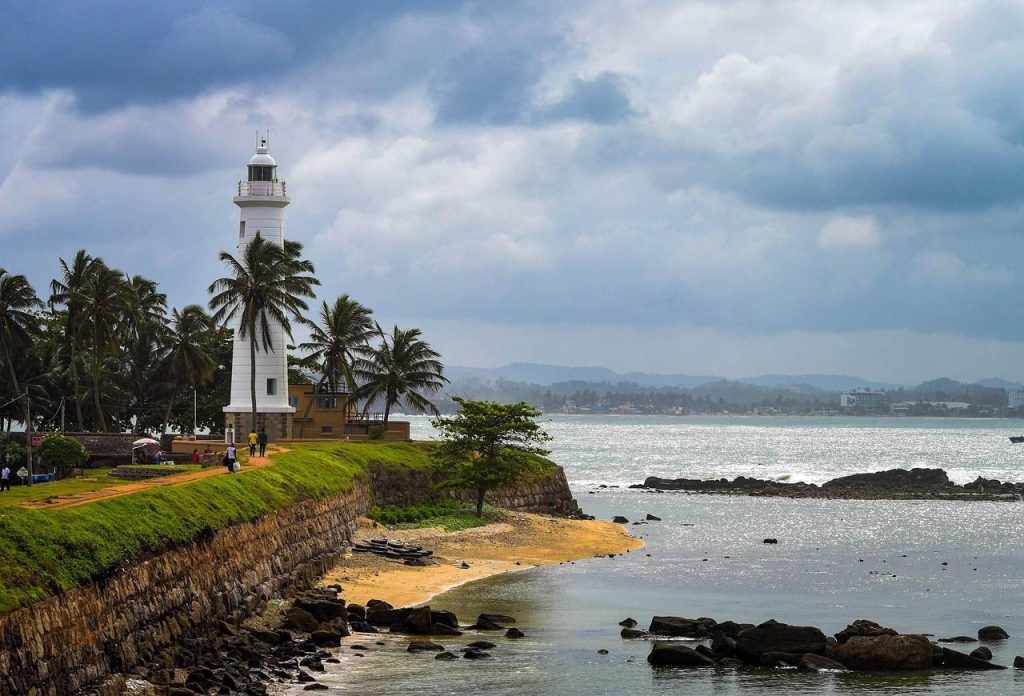
Galle and the surrounding south coast offer historic streets, shops and access to beaches. Galle may suit a person who likes town life, while Unawatuna and Hikkaduwa are more clearly oriented around coastal stays. Take a look at the actual neighbourhood, not just the destination name.
The hill country offers cooler weather in places such as Nuwara Eliya, but hills, stairs and longer road journeys may be tiring for people who value level walking and quick access to services. Colombo has different advantages for access to large-city facilities and more specialist services. There is no single best town for every retiree.
On a trial visit, walk the route to the nearest grocery shop. Check whether pavements exist and whether you need to cross busy roads. Note the stairs at the entrance, the bathroom layout and whether the bedroom is on the ground floor. Then repeat the trip in the middle of the day, when the heat may change your impression.
Medical care and ongoing prescriptions
Research healthcare before you decide where to live. Identify nearby facilities, the availability of any specialists you use and how you would reach care during an urgent situation. If you have ongoing conditions, bring a written medication list and ask your clinician about travelling with an adequate, lawful supply. Do not assume the same brand or strength will be available locally.
Check your insurance policy’s geographical coverage, pre-existing condition wording, age limits and medical evacuation terms. Travel insurance for a short holiday may not cover residence-style stays or routine treatment. Ask the insurer specific questions in writing, then keep its emergency contact number somewhere accessible offline.
If you require daily living assistance or mobility support, assess the actual property and provider rather than relying on a general description of “senior friendly.” Ask about step-free access, bathroom rails, transport, staff qualifications and arrangements if your needs change. Winter Scape’s sitemap includes a senior long-stay enquiry path, but individual support arrangements and availability should be confirmed before purchase.
Accommodation: test the details you cannot see in photographs
A long-stay room needs more than clean sheets. Check mattress height, slip resistance in the bathroom, handrails, mosquito protection, ventilation and how easily a guest can reach the entrance after dark. Ask about air-conditioning costs, electricity and water reliability, access to laundry and whether there is a place to sit comfortably inside during rain.
If meals are included, request an example weekly menu and ask how dietary needs are handled. If they are not, see whether cooking is practical and how groceries are delivered. Verify what the advertised monthly price covers, how deposits are returned and whether there are early-departure penalties.
Sri Lanka’s Tourism Development Authority has registration guidance for homestays, rented houses and other accommodation types. This can help you understand the kinds of accommodation available, although an operator’s registration does not replace inspecting the property or assessing whether it fits your needs.
Weather matters more over a long stay
The southwest coast tends to have more challenging rain during the southwest monsoon, while the east coast has a different seasonal pattern. Sri Lanka Tourism’s weather overview explains the two monsoons. A place you love in February may feel different in June, so ask how the building handles damp weather, drying laundry and ventilation.
If you have trouble with heat, visit in the season you expect to spend most time there. Think about shaded outdoor areas, access to air-conditioning and transport rather than assuming that being near the sea will always make the temperature comfortable.
Put together a realistic monthly budget

Separate essential living costs from occasional travel. Accommodation, utilities, meals, groceries, routine transport, insurance, medical expenses and visa-related fees belong in the main budget. Add a contingency for unexpected trips, a change in health needs or the need to return home sooner than planned.
A useful way to compare two offers is to ask for written monthly quotations for the same dates and inclusions. Convert them using a rate you can actually access, including card or bank fees. The Central Bank of Sri Lanka publishes indicative exchange rates, but your bank’s conversion may differ.
Avoid websites that claim a universal “retirement cost” without describing whether the figure covers rent, insurance, healthcare or a private vehicle. Our Sri Lanka monthly cost worksheet provides a comparison method without invented average rents.
What a useful trial stay looks like
Spend the first few days getting used to the location, then use the next two weeks to repeat ordinary tasks. Visit a supermarket, arrange local transport, test a pharmacy purchase and ask about getting repairs done. If a neighbourhood works only when someone drives you everywhere, decide whether that is a service you can reliably arrange and budget for.
Keep a written record of actual expenses, travel times and any barriers you encounter. Speak with accommodation hosts about what can be changed and what cannot. If you find that a beautiful second-floor apartment is inconvenient, changing the property early is better than spending months adapting to it.
The best outcome of a trial stay may be deciding to visit every winter rather than relocate. That is still a useful conclusion. Sri Lanka can be enjoyed as a seasonal destination without turning every holiday into a permanent move.
Questions to ask before booking a senior long stay
- Is this accommodation available for my dates, and exactly what does the monthly rate include?
- Can I reach the bedroom, bathroom, dining area and street without stairs?
- How are meals, laundry, cleaning and transport arranged?
- Which services are on site, and which require a separate paid provider?
- What happens if my health needs change or I need to leave early?
- Which immigration permission applies to my proposed length and purpose of stay?
A clear written response is more valuable than a long description of a destination’s lifestyle. Ask for the details that could change your decision.
Frequently asked questions
Is Sri Lanka’s My Dream Home retirement visa open to new applicants?
The Department of Immigration and Emigration currently labels My Dream Home as extension-only for existing visa holders. Do not rely on older application guides. Ask the authority about current alternatives for your circumstances.
Is Galle suitable for a long stay after retirement?
It may be, especially if you prefer a coastal city. The practical answer depends on the property’s accessibility, proximity to services, healthcare and your transport needs. Test those details on a trial visit.
Should I rent or buy before moving?
For a first extended stay, a flexible rental allows you to assess the neighbourhood and your needs. Property ownership and immigration residence are separate legal questions; obtain qualified advice before making either commitment.
Does a long-stay package include healthcare or personal care?
Never assume so. Ask the provider to state exactly which services are included, who supplies them and what qualifications or insurance they hold.