Sri Lanka has an official Digital Nomad Visa category for people working for employers or clients outside the country. The government’s published criteria describe a one-year residence permission, a minimum monthly income remittance of US$2,000 for the main applicant and a US$500 annual visa fee per person. Those are immigration requirements, not a reliable estimate of what living in Sri Lanka costs.
If you are considering a month in Galle or a longer move, begin with two separate questions: which immigration permission fits your work, and can your chosen accommodation support an ordinary working week? Sorting out the first does not solve the second.
What Sri Lanka’s Digital Nomad Visa says
The Department of Immigration and Emigration publishes a Digital Nomad Visa category document. It says the main applicant must be at least 18 and employed remotely, freelancing or running a business that is not registered in Sri Lanka and serves overseas clients.
The document gives a minimum US$2,000 monthly income remittance for the main applicant. If there are more than two dependants, it states that a further US$500 must be remitted monthly for each additional dependant. It specifies a one-year visa, renewable annually, and lists a US$500 annual visa fee for the applicant, spouse and each dependant.
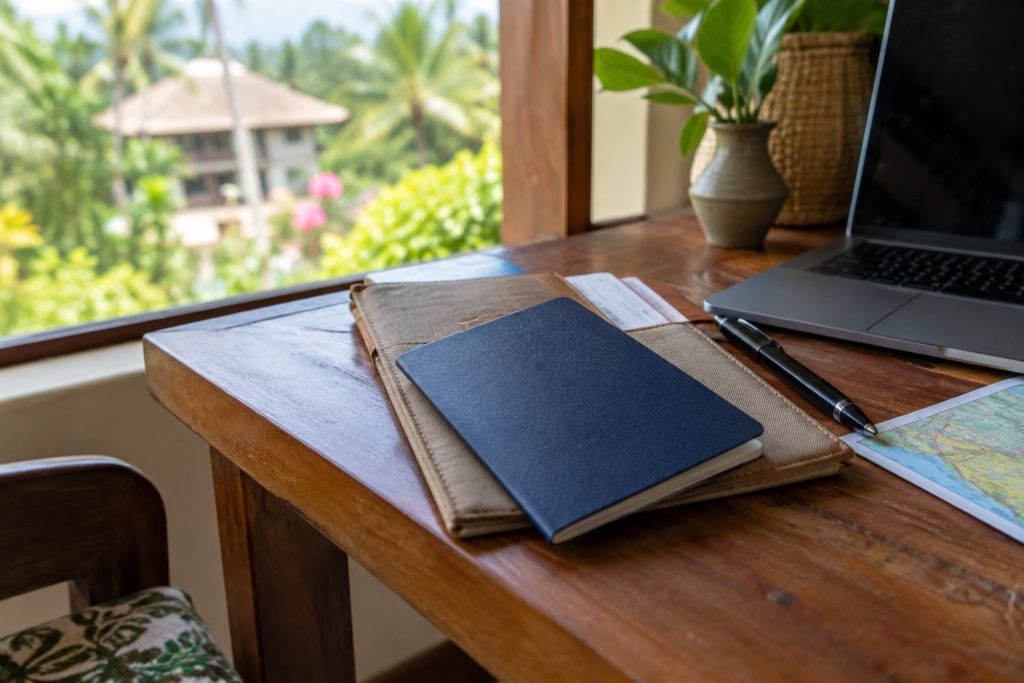
The published application list includes passport copies, photographs, a request letter, security and medical clearance, a recent police clearance certificate, insurance covering medical care in Sri Lanka, proof of remittance and a recommendation from the Ministry of Digital Economy. The list includes marriage or birth certificates where applicable. For extensions, the document calls for proof of registration with Sri Lanka’s Inland Revenue Department.
It also states that nomad visa holders cannot take local employment: the income must come from foreign sources. That condition matters if you expect to freelance for Sri Lankan businesses, offer services locally or switch employers mid-stay. The visa is not permission to do every kind of work.
Treat these as the official published conditions checked in October 2026, not a promise that an application will be approved. Ask the Department of Immigration and Emigration about current forms, supporting evidence and processing before committing to a year-long rental.
Tourist ETA versus digital nomad residence
A tourist ETA is a short-visit mechanism. It should not be interpreted as general permission to work remotely or to perform paid or unpaid work. Sri Lankan visit-visa rules restrict employment and business activities other than those specifically permitted. The separate digital nomad category exists for a reason.
If you’re testing the country with a holiday before making a relocation decision, clarify what activities your actual permission allows. Don’t rely on social-media posts claiming that overseas income makes immigration questions irrelevant. The official visit-visa conditions are the better starting point.
Start with where you will work, not where you will take photographs
The south coast is appealing on a free afternoon. A working Tuesday is more demanding. Before choosing a room, ask for the exact desk setup, chair, power sockets, mobile signal and fixed-line connection available at that property. “Fast Wi-Fi” in a listing is not a measured speed at the desk where you will work.
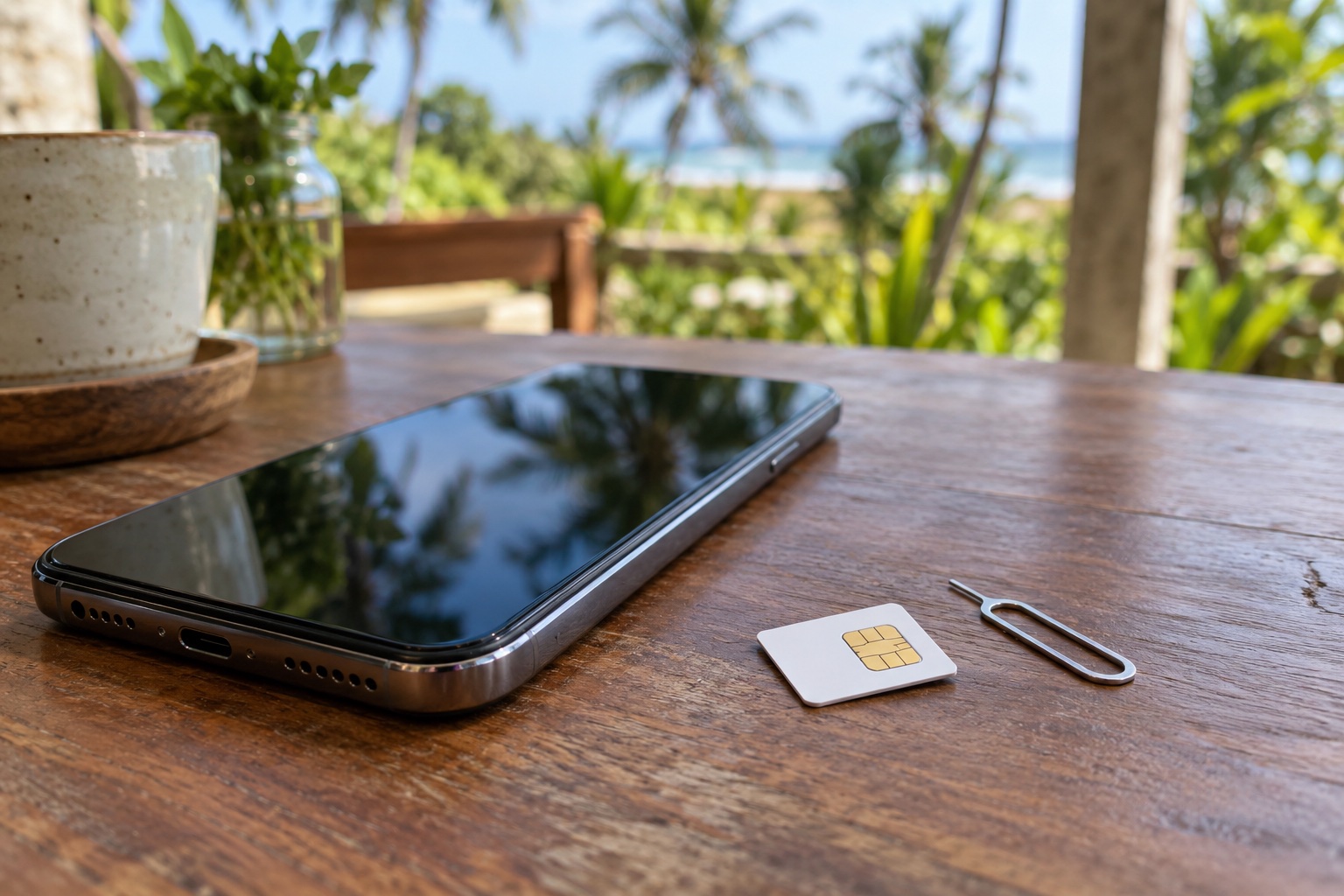
Ask the host to send a recent speed-test result from the room, preferably at the time you normally take calls. Confirm whether the connection is shared, whether there is an alternative network if it fails, and how power interruptions are managed. If video calls are essential, plan a mobile-data backup. Work out how you will obtain and top up a local SIM, including any passport registration requirements, after arrival.
Noise can be as disruptive as bandwidth. An attractive property beside a busy road, restaurant or late-night music venue may be a poor choice for meetings. Request a short video of the actual work area and ask about the quietest hours. A desk overlooking the sea is no substitute for a comfortable chair and usable lighting.
Choosing a base: Galle, beach towns or the hills
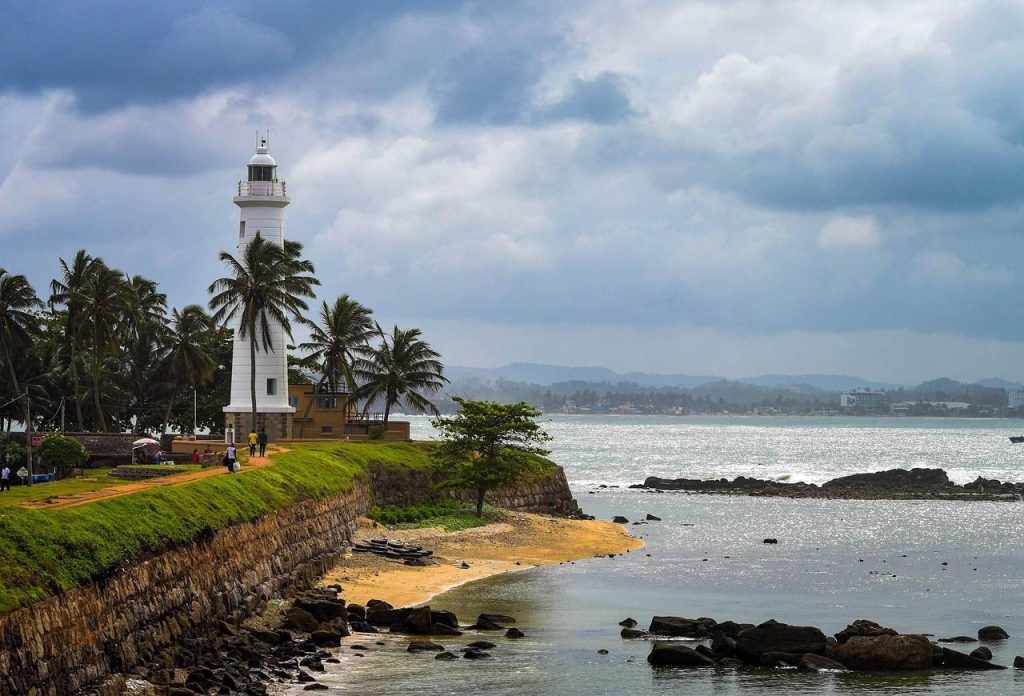
Galle puts you near the historic fort, restaurants and services. It may suit someone who wants a town routine and occasional beach visits. Accommodation inside the fort and accommodation in the wider city offer different experiences; check the precise address before assuming it is walkable to everything.
Unawatuna suits travellers who want a beach-oriented setting close to Galle. Hikkaduwa has a different stretch of coast and can suit a beach-first stay with access to the coastal rail route. Mirissa makes more sense when you’re comfortable living in a smaller beach destination. None of these town names guarantees a particular internet speed or noise level.
The hill country is a different kind of long stay. Ella and Nuwara Eliya have cooler conditions and different travel logistics. If your work involves frequent calls at fixed hours, test your setup before deciding on a remote hillside property. It’s sensible to spend the first several nights in flexible accommodation instead of signing a month’s agreement unseen.
Weather can change how a work month feels
Sri Lanka has a southwest monsoon broadly associated with May to September and a northeast monsoon broadly associated with December to February. The east and southwest coasts have different seasonal patterns; rainfall is not identical in every town. The national tourism weather guide explains the broad pattern, but local forecasts and sea conditions still matter.
If you are staying for several months, make room for rainy days in your expectations. Ask whether your chosen building has ventilation, a dry place for laundry and suitable work space when you cannot sit outside. For a short beach trip, a wet afternoon may be a small inconvenience. For someone on calls every day, the quality of the room matters considerably more.
Budget for a normal month
A monthly budget should separate accommodation, utilities, internet, food, transport, insurance, visa costs and optional travel. Don’t build the whole estimate around a daily backpacker budget. A private apartment with reliable work facilities and your own kitchen is a different product from a guesthouse bed.
Request a price for your actual dates, including cleaning, electricity, air-conditioning charges, deposit and cancellation rules. Ask whether payments are made in Sri Lankan rupees or another currency and check the effective exchange rate. The Central Bank of Sri Lanka publishes reference exchange-rate information, but what your bank or card charges can differ.
We have a separate monthly budget worksheet for Sri Lanka if you want to compare two homes without relying on an invented “average nomad cost”.
A sensible first-month plan
During the first week, keep your schedule light enough to sort out connectivity, supplies and transport. Test video calls from the accommodation at your regular work hours. Locate a pharmacy, grocery shop and backup place to work. Find out how your host handles maintenance requests.
In week two, assess whether the arrangement still works with laundry, meetings and normal meals in the mix. This is the moment to decide whether a longer rental is sensible. If you plan to explore, protect at least one day with no travel. When you are both moving accommodation and working full-time, small disruptions add up.
For a longer stay, speak to a qualified adviser about any tax or business obligations relevant to your circumstances. The fact that the nomad visa permits a form of remote work does not settle every tax question, and the immigration document itself refers to legal and tax compliance.
Questions to ask Winter Scape about a long stay
Winter Scape lists a Digital Nomads & Remote Workers long-stay enquiry path in its site plan. When asking for accommodation, give dates or an approximate length of stay, number of guests, working hours, room preferences and your minimum connectivity needs. Ask for the actual inclusions and total quotation, not only a headline monthly rate.
If you also want a tour, keep it separate from your working schedule. An overnight trip is easier to enjoy on leave than between two client meetings. You can look at Galle’s practical guide while deciding how much local sightseeing fits your week.
Frequently asked questions
Is there a Sri Lanka digital nomad visa?
Yes. Sri Lanka’s immigration department publishes a dedicated Digital Nomad Visa category for eligible foreign remote workers serving overseas businesses or clients. Review the current official category document before applying.
What income does the published digital nomad visa require?
The official document specifies US$2,000 in minimum monthly income remittance for the main applicant, with additional remittance requirements when there are more than two dependants. Confirm how the authority wants you to document your income.
Can I take a job with a company in Sri Lanka?
Not under the stated digital nomad conditions. The official document restricts local employment and requires income to come from foreign sources. A different immigration category may be needed for local work.
Is Galle a good place to work remotely?
It can be, depending on the specific accommodation, your call schedule and your preferred lifestyle. Test actual connectivity, noise and backup options at the property; the town’s popularity is not a performance guarantee.