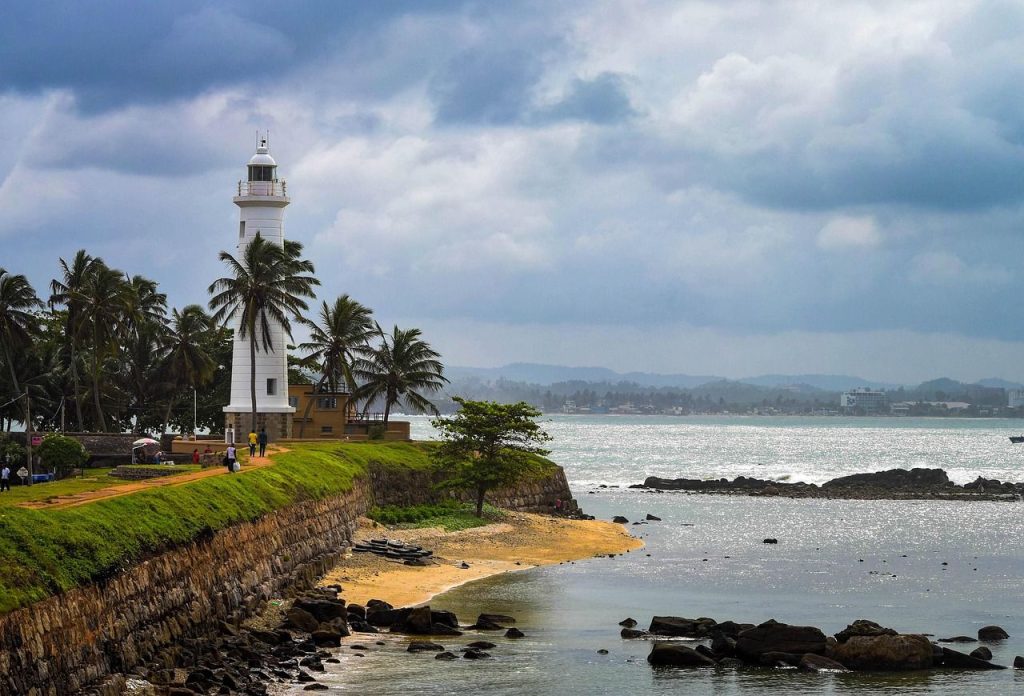
Galle, Unawatuna, Hikkaduwa and Mirissa are all on Sri Lanka’s south or southwest coast, but they do not make the same kind of holiday base. Galle suits travellers who want a historic town and everyday services. Unawatuna makes beach time easier to build into a stay near Galle. Hikkaduwa offers a different coastal setting with rail connections. Mirissa is a smaller beach-oriented stop farther along the southern route.
There is no correct answer for everyone. The better question is what you want to do most mornings, and how often you are willing to travel to do it. A town that works for a two-night beach break may not suit a month of remote work.
Galle: for fort walks and a town routine
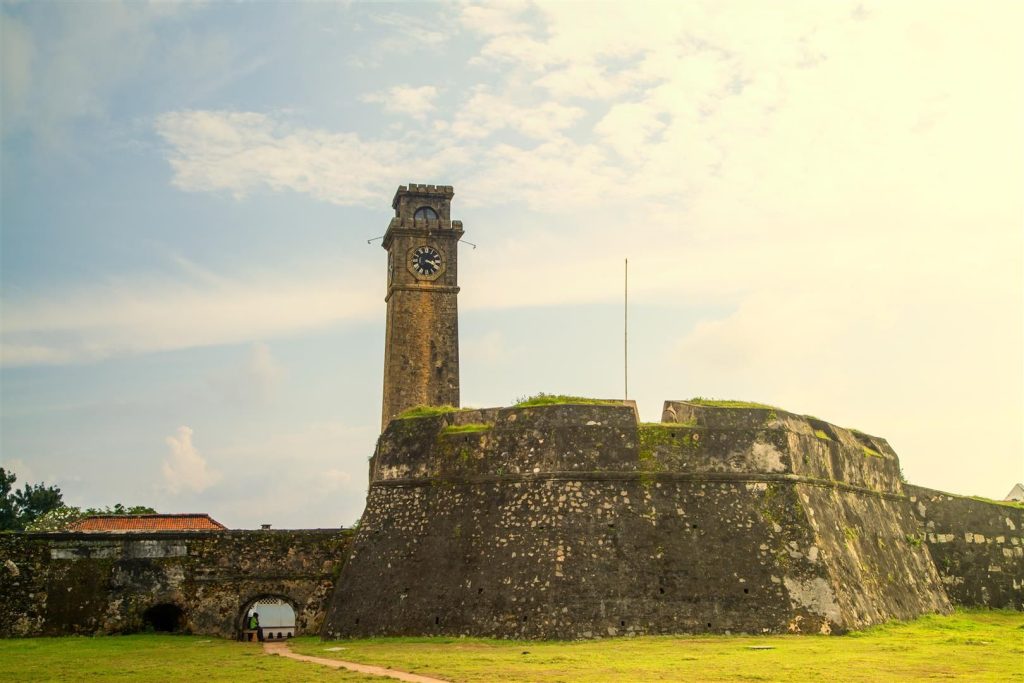
Galle is known for its fortified old town, which UNESCO inscribed on the World Heritage List in 1988. The UNESCO listing describes a settlement shaped by Portuguese foundations, major development under Dutch rule and an unusual mixture of European town planning and South Asian building traditions.
If you enjoy walking past old buildings, visiting small museums and returning to a variety of restaurants, Galle is a good place to look. The fort itself is not the same as the wider city, however. A listing that says “Galle” may be outside the historic walls or beyond a comfortable walk. Check its map pin, access road and actual journey to the places you expect to visit.
Galle works for many first-time travellers as a compact south-coast stop with day trips. It can also be useful for longer stays, provided the property has the living and work facilities you need. The quieter room is not always the one closest to the main fort streets.
Unawatuna: when the beach should be part of an ordinary day
Unawatuna is an obvious candidate if you want to spend a significant part of your stay near the sea while remaining close enough to explore Galle. That does not mean every accommodation is on the beachfront or that swimming conditions are safe every day.
Ask the host which beach access point is nearest, whether there are steps or steep roads and whether the area is noisy at night. If you expect a quiet long stay, enquire about nearby restaurants, music and traffic rather than assuming a beach address will be peaceful.
Unawatuna makes sense for a traveller who is happy to visit Galle Fort on a day trip instead of sleeping inside it. Choose the exact property according to your preference for beachfront access, privacy or a more residential setting.
Hikkaduwa: another coastal option with train access
Hikkaduwa is farther north along the coast from Galle and is connected to the coastal railway. It may appeal if you want beach time and plan to use the train for some journeys, although timetable changes and the specific location of your accommodation still matter.
If snorkelling or diving interests you, check current local conditions and use a responsible operator. Reef environments are sensitive; don’t touch coral or wildlife. Sea conditions vary by season and day, so an activity advertised in a town is not a guarantee that it can run during your visit.
Check how far your chosen room is from the railway station and shops. A long beachfront strip can mean “in Hikkaduwa” does not tell you how convenient your daily journeys will be.
Mirissa: for a beach-focused stop with an unhurried schedule
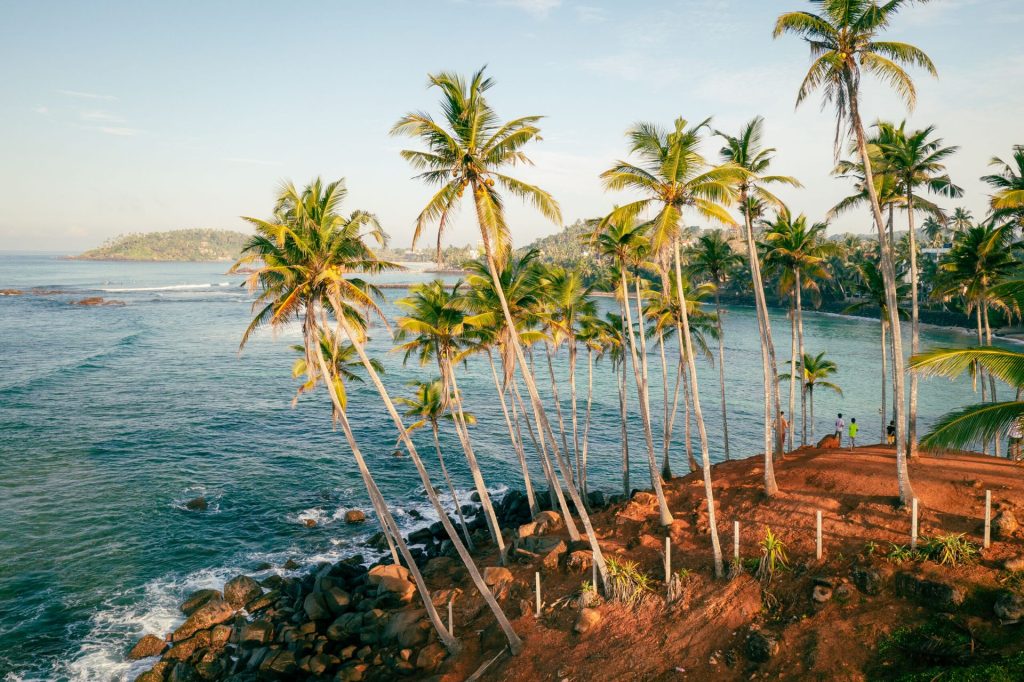
Mirissa is usually considered by travellers who want a smaller beach-town stop as they move along the south coast. It may suit a couple of nights on a wider route, or a longer stay if the pace and facilities match what you need.
Whale watching is associated with the southern coast, but do not choose accommodation solely on the promise of a sighting. Weather, seasonal conditions and the conduct of the boat operator matter, and wildlife cannot be guaranteed. Ask providers about safety procedures and their approach to approaching animals rather than rewarding aggressive marketing.
For remote work or long stays, check internet, pharmacy access and local transport at the exact address. The places visitors love for a short holiday may have less convenient daily routines than a bigger town.
Which base suits which trip?
| Your priority | Where to start looking | What to double-check |
|---|---|---|
| Historic streets and restaurants | Galle | Inside or outside the fort, road noise |
| Beach days with Galle nearby | Unawatuna | Actual beach access and evening noise |
| Coastal stay with rail options | Hikkaduwa | Distance from station, sea conditions |
| A smaller beach-town pause | Mirissa | Transport, services and activity season |
These are starting points, not rankings. You could find a quiet apartment in one town and a very busy guesthouse in another. Always judge the address and the room rather than the town’s reputation.
Best time for a south-coast stay
Sri Lanka Tourism describes the southwest monsoon as generally running from May to September and the northeast monsoon from December to February. Broadly, the southwest coast tends to have more favourable beach conditions during the northern winter months, but rain and rough water are still possible. The official weather overview is useful for planning the broad season; use recent local forecasts and beach advice nearer your dates.
The right season also depends on your activities. Fort walks can be rearranged around showers more easily than a boat excursion. A long-stay traveller needs a comfortable indoor routine whatever the weather does.
How many nights should you stay?
With two or three nights, choose one base rather than checking into a different room every evening. Galle with a beach day, or a beach town with a fort visit, can make a satisfying short visit. If you have a week, you can slow down or add another coastal stop without spending the whole holiday moving luggage.
For a month, the decision changes. You will need laundry, groceries, quiet hours and reliable transport, perhaps a workspace. Ask about a discounted monthly quote, but compare all inclusions. Moving to another town for a week can be more helpful than committing to four weeks based solely on online photographs.
Before booking your accommodation
Check the actual map location and whether access is practical after dark. Ask for the total price including taxes, air-conditioning and cleaning; get the cancellation policy in writing. If you need mobility support, request photos of the entrance, stairs and bathroom. If you’re travelling as a family, consider road crossings and how much daily travel younger children will tolerate.
A property can also be checked against the Sri Lanka Tourism Development Authority’s accommodation information. Registration does not prove a particular room is suitable, but it is a useful question to ask a host.
For further reading, our two-day Galle itinerary explains how to see the fort without treating every hour as a scheduled stop.
Frequently asked questions
Should I stay in Galle or Unawatuna?
Choose Galle if historic streets, restaurants and a town routine matter most. Choose Unawatuna if you want a beach-oriented stay with Galle available for visits. Check the individual properties before deciding.
Is Hikkaduwa or Mirissa better?
Hikkaduwa may be more convenient if coastal rail access is useful to you. Mirissa may suit a south-coast beach stop. Activity plans, room location and season will matter more than a universal ranking.
Is the south coast good all year?
It is visitable year-round, but rainfall and sea conditions change. Southwest-coast beach conditions are often more favourable in the northern winter season. Check current local advice, especially for swimming and boat trips.
Can I use one base for Galle and the nearby beaches?
Yes. Many travellers do. Decide whether you would rather sleep in a town or near the beach and keep day trips short enough that they remain enjoyable.