If you’re comparing volunteer programs in Sri Lanka, start with the work itself. Ask who requested it, who supervises it and what happens after you leave. The destination can be an excellent place to spend several weeks, but a worthwhile placement needs a better explanation than “come and make a difference.”
Sri Lanka has community-based education, older-person support and marine conservation projects, among other opportunities. The work differs sharply between them. Helping a teacher prepare materials is not the same as taking responsibility for a classroom. Spending time with older adults is not a substitute for providing clinical care. And a sea turtle project should be judged by its conservation practices, not by whether visitors get to hold hatchlings.
This guide is for prospective volunteers who want to choose carefully, plan enough time and ask awkward questions before paying a deposit.
What responsible volunteering looks like
A sound placement has a local organisation or supervisor who defines the work. The community’s needs come first; visitors fit around the people already doing the job. You should know your daily responsibilities, whether your skills are suitable and what training you will receive.
Ask for a typical week in writing. A response that describes who you’ll work with, how responsibilities are shared and what happens when a volunteer is absent tells you much more than a photograph of smiling children.
Fees deserve the same scrutiny. Accommodation, meals, transport, administration and local project contributions are different costs. Ask for an itemised explanation of what your payment covers and which expenses you will pay directly. A fee by itself does not prove that a program is good or bad, but a refusal to explain it is useful information.
A reasonable organiser should also explain their safeguarding arrangements, who to contact with a concern, what their cancellation terms say and which local partners approve the activities. If a project cannot answer those questions before you arrive, it will be harder to resolve problems once you’re there.
Volunteering with children: keep the roles clear
Teaching support and creative activities can help an established team, particularly when a qualified local educator plans the lessons. The useful role for a short-term visitor is usually a supporting one: preparing materials, leading an activity with oversight or helping with English conversation at the request of teachers.
Be cautious if an organisation offers unsupervised access to children, assigns teaching responsibility without checking qualifications, or encourages emotionally intense contact during a very short stay. Ask about background checks, photography rules, consent, professional supervision and whether children can refuse to participate.
Avoid orphanage volunteering as a tourist activity. Better Care Network’s research and guidance explain why repeated short-term placements in residential care can harm children and encourage a harmful funding model. Family and community-based support are better starting points than visiting children’s homes for a week. See Better Care Network’s guidance on volunteering and orphanage tourism.
If you are considering Winter Scape’s preschool support, English teaching or art activities, ask for the particular placement’s safeguarding process and the name or role of its local supervisor. Do not assume every child-facing program shares the same arrangements.
Older-person support is different from medical treatment
Conversation, recreational activities and companionship can be appropriate roles when the host organisation wants them and staff are present. Physiotherapy, mobility assessments and personal care involve a different level of responsibility.
A program with “physiotherapy” in its title should explain whether applicants need professional qualifications, who holds clinical responsibility and which tasks are permitted. A visitor without the right training should not improvise exercises, lift a person or offer treatment. If you are a qualified practitioner, ask how local consent, professional oversight and insurance apply to your role.
For older-person support, respectful work often looks ordinary: listening, helping staff run a planned activity and showing up consistently. You should be comfortable with that before committing.
Marine and turtle conservation: ask what happens on the beach
A conservation program should be able to explain its methods and how those methods benefit wildlife. Depending on the site, work might involve authorised beach monitoring, recording observations, education or litter removal. The exact activities should come from local conservation staff and the permissions they hold.
Ask whether volunteers handle eggs or hatchlings, who authorises any handling and why it is necessary. Do not treat guaranteed hatchling releases or close wildlife photographs as proof of conservation value. Night visits, bright lights and crowding can disturb nesting beaches. Responsible programs should make it easy to follow a strict no-touch instruction.
Request the site’s conservation partner details and find out how training works before your first field activity. A turtle conservation listing is a starting point for these questions, not independent evidence that every advertised task is appropriate.
How long should you volunteer?
Two weeks and four weeks are useful planning blocks, but they do not suit every project. Short placements need a clear handover and tasks that can be completed without displacing local workers. Language teaching and other relationship-based activities often benefit from a longer commitment and continuity, while a tightly supervised event or environmental task may fit a shorter visit.
Ask how the first two days are used. An orientation that explains expectations, safety, transport and who to contact is more useful than starting work before you understand the setting. Ask how many hours a typical day involves and which days are free. If you intend to add sightseeing, protect the project schedule first instead of trying to squeeze activities into work hours.
There is no universal “minimum meaningful duration.” The answer depends on the host’s needs and the duties. A placement that cannot explain why it accepts one-week visitors deserves extra scrutiny.
Visa permission needs a separate answer
Do not assume a tourist ETA allows volunteering. Sri Lanka’s Department of Immigration and Emigration states that a visit-visa holder should not undertake employment, paid or unpaid, beyond what the visa permits. Its residence-visa information also lists volunteers within the educational category. Which permission applies depends on the actual placement and immigration assessment, not the marketing label on a travel package.
Before you pay, ask the organiser exactly what permission it expects you to hold. Then check that against the Department of Immigration and Emigration’s visa guidance or obtain written advice from the authority. Being unpaid does not remove the need to check. Our Sri Lanka visa guide for different types of trips sets out the questions by travel purpose.
Seven questions worth sending to an organiser
- What local organisation requested this placement, and who will supervise me each day?
- What can a volunteer with my particular skills do without replacing paid local staff?
- Which safeguarding rules, checks and reporting procedures apply?
- What is included in the fee, and what will I pay for separately?
- What visa or other immigration permission is appropriate for these exact duties?
- What happens if the placement changes, a partner closes or I need to leave early?
- How do you evaluate the placement’s value from the host’s point of view?
You do not need perfect answers in ten minutes. You do need clear answers before travelling. If an organiser avoids specifics and keeps returning to the emotional rewards of volunteering, consider a different placement.
Combining a placement with travel
Winter Scape’s site separates volunteer programs from trips and suggested itineraries. That is a useful distinction for planning. Decide on the placement first, including its location and weekly schedule; then arrange travel around genuine days off or a separate travel week.
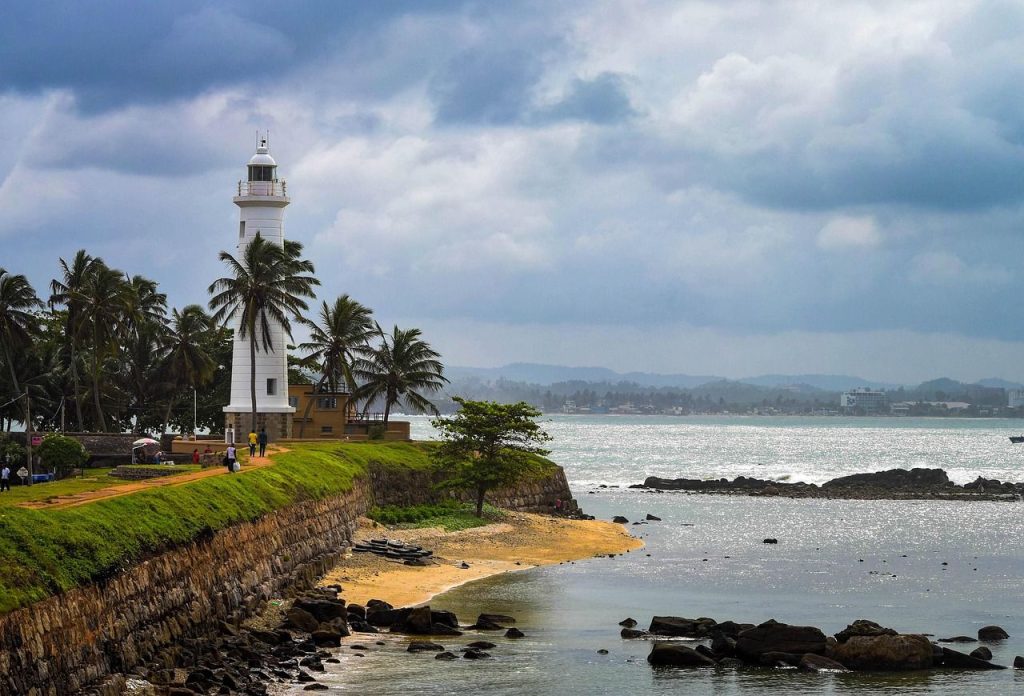
On the south coast, Galle can be a base for exploring the fort, nearby Unawatuna and Hikkaduwa. If you are moving between the coast and the hill country, allow time for transport rather than promising yourself a new destination every evening. Sri Lanka’s regional weather patterns also mean that a beach plan that suits December may work differently in July. The official tourism weather overview is a helpful first check.
A “volunteer and travel” package should make the work days, travel days, accommodation changes, transfers and included activities easy to distinguish. Ask for them on a dated schedule before accepting a quotation.
What to check before departure
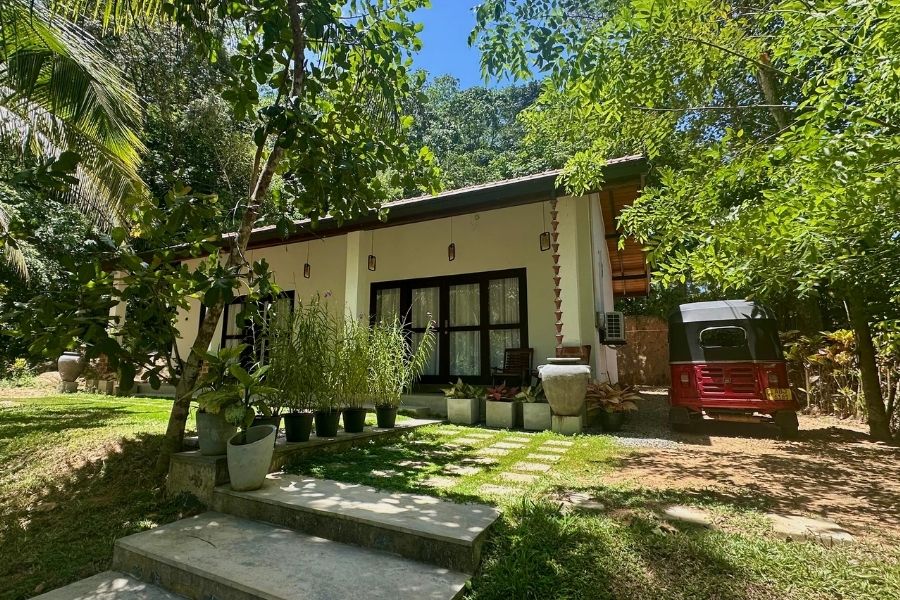
Confirm where you will sleep, whether rooms are shared, what meals are provided and how you get to the placement. Ask about drinking water arrangements, local transport, insurance and emergency contact procedures. Check entry requirements yourself even when an organiser offers assistance. Keep copies of your documents and important phone numbers available offline.
Plan for ordinary life too. Laundry, time to rest and enough privacy after a demanding day can decide whether a longer placement works for you. If you’re travelling during the southwest monsoon, be realistic about wet journeys and cancelled coastal activities.
A responsible program is not the one with the biggest promise. It is the one that can show how local people lead the work, what a visiting volunteer will actually do and how participants are protected.
Frequently asked questions
Can I volunteer in Sri Lanka on a tourist visa?
Do not assume so. The official visit-visa conditions restrict paid and unpaid employment outside the visa’s permitted activities. Confirm the appropriate permission for your role with Sri Lankan immigration before travelling.
Is two weeks enough for a volunteer placement?
Sometimes, for clearly scoped and supervised support tasks. It is often too short for roles that depend on long-term relationships or independent responsibility. Ask the host why that duration works for its program.
Do I need teaching or medical qualifications?
It depends on the duties. Supporting an established teacher is different from independently teaching a class. Any clinical, mobility or personal-care task should have clear qualification and supervision requirements.
Can I choose my program and then add a Sri Lanka tour?
Yes, you can enquire about combining the two. Confirm the placement schedule, travel route and separate costs first; do not assume travel activities are part of your program fee.