Two days in Galle are enough to walk the fort properly, spend time in a museum and still have an afternoon for the nearby coast. The mistake is treating Galle Fort as a place to photograph in twenty minutes before moving on. It is a living town with homes, shops and everyday traffic inside historic walls. You’ll see more by walking the same streets at different hours than by racing through a long attractions checklist.
The old town and its fortifications are a UNESCO World Heritage Site. UNESCO describes the town’s Portuguese origins, development under Dutch rule and buildings adapted to local materials and climate. It was inscribed in 1988. That history is visible in the ramparts and street plan, but this is still a residential and commercial part of Galle, not an open-air museum built for visitors.
This is a flexible two-day plan. Switch the coastal afternoon and museum visit if the weather demands it. Allow time for sitting down, because south-coast heat can make even a modest walk feel long.
Day one: the fort without the rush
Morning: enter the old town and walk the streets
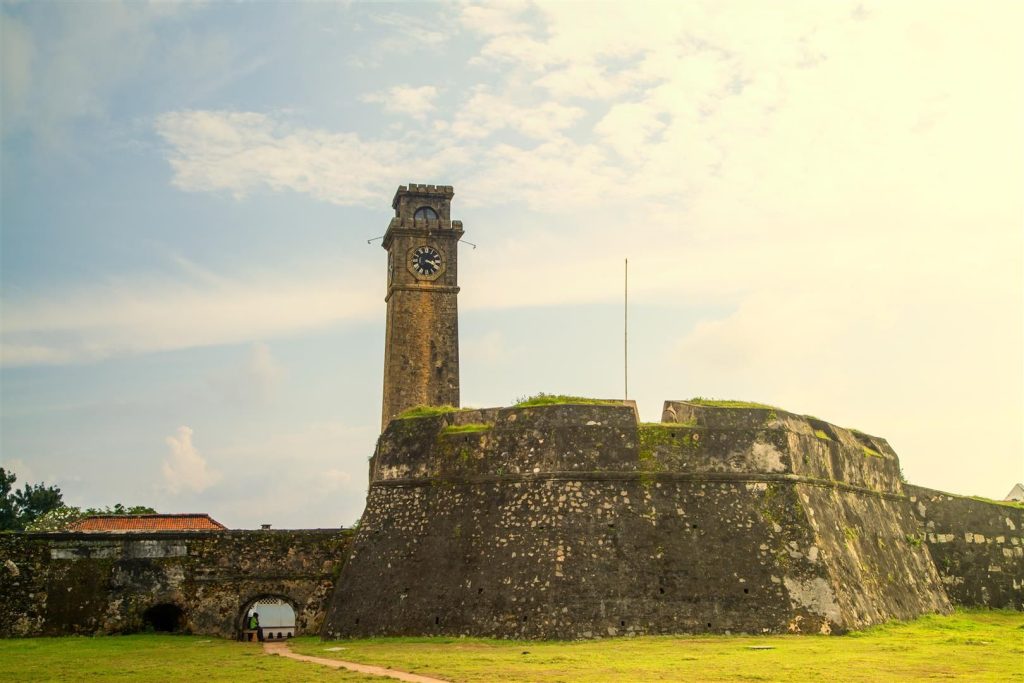
Start with an unhurried walk inside Galle Fort. Look at how the streets are arranged and how enclosed courtyards, shaded verandas and historic facades sit alongside contemporary businesses. UNESCO’s site description explains how European planning ideas were adapted to local conditions. It is worth reading a short version before you arrive; the physical layout becomes much more interesting once you know what you are looking at.
You do not need a guide for every street, but a knowledgeable local guide can help put particular buildings and changes to the town in context. Ask where the tour begins, what it covers and whether it includes any paid entrances. Avoid blocking doorways or assuming a private home is part of a visitor attraction.
For photographs, early light is often more comfortable than the middle of the day. You will also get a better sense of the area before the busiest visiting hours. Wear shoes that are comfortable on uneven surfaces and take drinking water.
Late morning: choose one museum
The Galle National Museum is housed in a historic Dutch-era building and covers cultural and historical material from southern Sri Lanka. The National Maritime Museum, inside an old Dutch warehouse, focuses on the region’s seafaring history and marine life. Sri Lanka Tourism’s museum guide describes both collections.
Pick the one that interests you rather than scheduling both automatically. Check current opening hours, closures and entrance charges before setting out; museum timetables can change. If you are travelling with children, the maritime displays may be a useful way to break up a day of walking, but interest levels vary.
Lunch: take an actual break
Galle Fort has places to sit down for lunch and a drink. This is the point to slow the plan rather than trying to fit another landmark into the hottest part of the day. If you have limited mobility or are travelling with a child, a longer indoor break can make the afternoon much more pleasant.
Decide where to eat based on a menu you like and the location of your next walk. There is no need to chase a single “best restaurant” on the other side of the fort. Opening times and menus change, so check locally rather than planning around an old list.
Late afternoon: the ramparts and lighthouse area
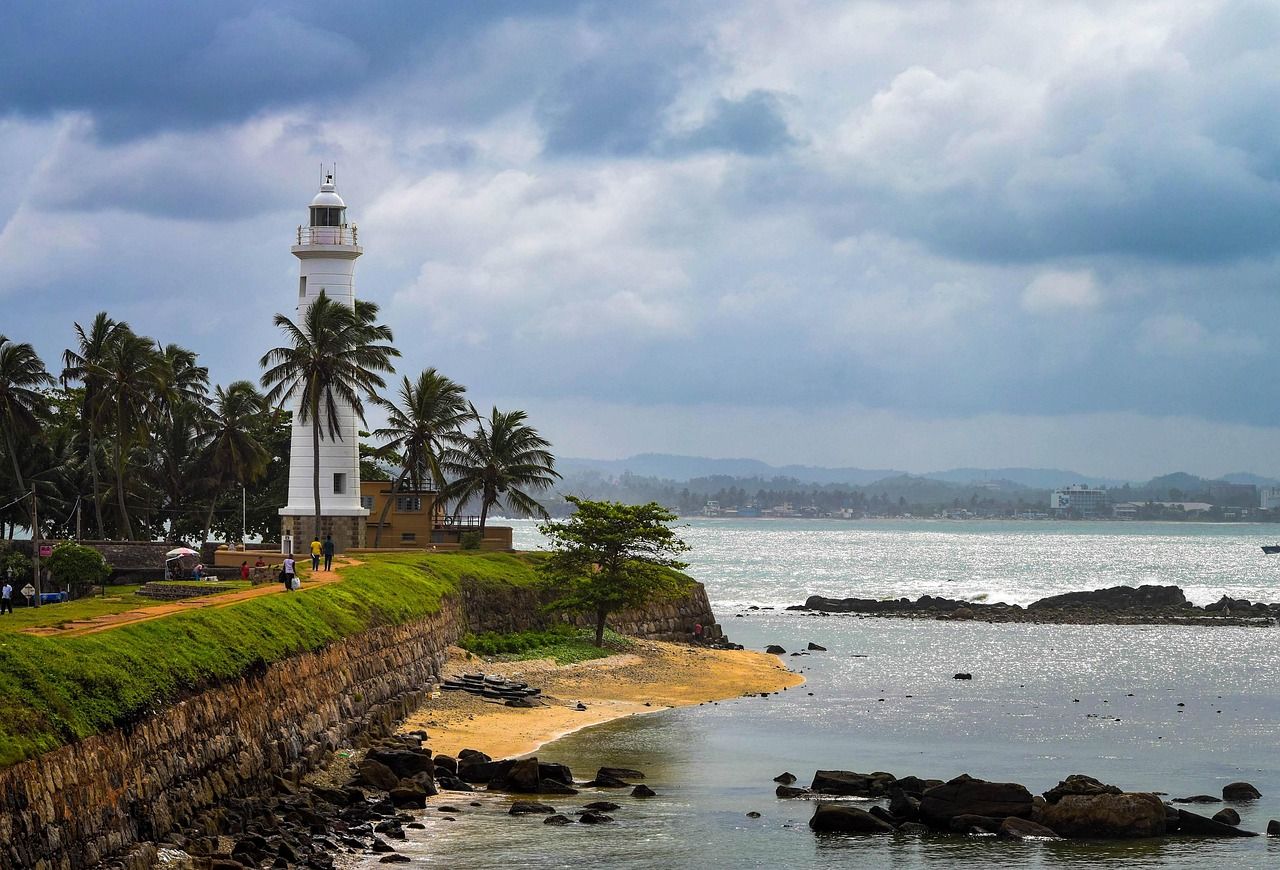
Return to the fort walls when the sun is lower. Look at the bastions and the relationship between the fort and the sea. Walking a section slowly is enough; you do not have to complete a continuous circuit to appreciate the site.
The area near the lighthouse is a familiar part of the Galle skyline. Stay on permitted paths and keep clear of exposed edges, especially in rough weather. The fortifications are historic structures, not a place to climb barriers for a better photograph.
If sunset conditions are good, stay for a while. If rain moves in, you’ve still had a full day, and you can return for a different view the next morning.
Day two: choose coast or culture

Option A: spend time near Unawatuna
Unawatuna is a nearby beach destination, making it a practical contrast to Galle Fort. Plan the trip according to where you’re staying and current traffic. Spend a morning at the beach or near the coast rather than filling the day with several separate beach stops.
Check local swimming advice. Surf, currents and other sea conditions change, and a busy beach is not automatically safe in every season. If you’re hoping to snorkel, choose a provider that explains current conditions, provides appropriate equipment and respects the marine environment. Do not touch coral or marine animals.
Return to Galle with enough time to avoid rushing your last evening. If you’re travelling onwards, find out whether your next transfer is easier from your beach accommodation or the main town.
Option B: another slower day in the fort
If the weather is unsettled or you care more about architecture than the beach, stay in town. Visit the museum you skipped, take a guided history walk or sit somewhere shaded and observe the street life. A second, less scheduled morning can reveal details you missed on the first pass.
This alternative also works if someone in your group prefers shorter walks or needs a restful day before onward travel. It is not a compromise itinerary; not every visitor needs the same number of attractions to enjoy a destination.
Galle Fort versus Galle city
Be precise when booking accommodation. Galle Fort is the historic walled area, while Galle is the larger city surrounding it. A hotel listing that says “Galle” is not necessarily within an easy walk of the fort. Look at the actual address and decide whether you want to stay inside the old town, elsewhere in the city or nearer a beach.
Staying inside the fort makes early morning and evening walks convenient. Staying outside may suit travellers who want a wider choice of property types or better access for onward journeys. Families and people with mobility needs should pay special attention to building stairs and vehicle access.
For a longer coastal stay, compare Galle with Unawatuna, Hikkaduwa and Mirissa before committing to one base.
Getting to Galle and moving around
Galle is connected with Colombo by road and the coastal railway. Buses and other road transport serve nearby towns. The best option depends on luggage, number of passengers, your arrival point and when you need to reach the accommodation. Don’t promise yourself a precise journey time without checking the current route and service.
Inside the fort, walking is often the simplest way to appreciate the streets, but the heat and uneven walking surfaces deserve respect. For nearby coastal trips, use an agreed transfer or reliable local transport. Confirm prices and pickup points before setting off.
If you’re arriving from the airport after an international flight, ask whether a direct transfer is sensible for your group or whether a stop is needed. Being tired changes the value of a complicated transfer plan.
When should you visit Galle?
Galle is on Sri Lanka’s southwest coast. Broadly, the southwest monsoon is associated with wetter conditions from May to September, while the northern winter often brings more favourable beach conditions to this side of the island. Sri Lanka Tourism’s weather information explains the national pattern. Rain and sea conditions still vary from day to day.
A fort walk is usually easier to reschedule than a boat trip. If you’re visiting in a wetter period, keep your plans loose enough to swap the outdoor hours. Carry an umbrella or light rain layer and protect your phone and travel documents.
A few things worth doing less of
Avoid trying to visit four beaches, two museums and every fort landmark in a single day. Avoid feeding or touching wildlife for a photograph. Ask before photographing people, especially children. The fort is a lived-in neighbourhood, and residents do not owe visitors an uninterrupted view of their houses.
If you visit a religious site, dress and behave respectfully, and follow posted photography rules. If a guide offers a “secret” location, check whether access is legal and welcomed by those who live there. A slower visit is usually better than an intrusive one.
Frequently asked questions
Is one day enough for Galle Fort?
Yes, you can see the main streets and part of the ramparts in one day. Two days are more comfortable if you want a museum, long meal breaks and a nearby beach without hurrying.
Is Galle Fort a UNESCO World Heritage Site?
Yes. UNESCO inscribed Old Town of Galle and its Fortifications in 1988. The listing recognises its historic fortified urban form and the meeting of European and South Asian building traditions.
Can I visit Unawatuna from Galle?
Yes. Unawatuna is a nearby coast destination that works as a separate beach outing. Check the pickup point, local traffic and sea conditions for your dates.
Do I need a guide to walk around the fort?
No, but a local history guide can add context. Decide whether you want historical interpretation, a casual stroll or both, and confirm the route and cost before booking.
When is the best time of day to walk the walls?
Earlier morning or later afternoon is often more comfortable than the middle of the day. Stay off exposed sections in unsafe weather and follow local restrictions.