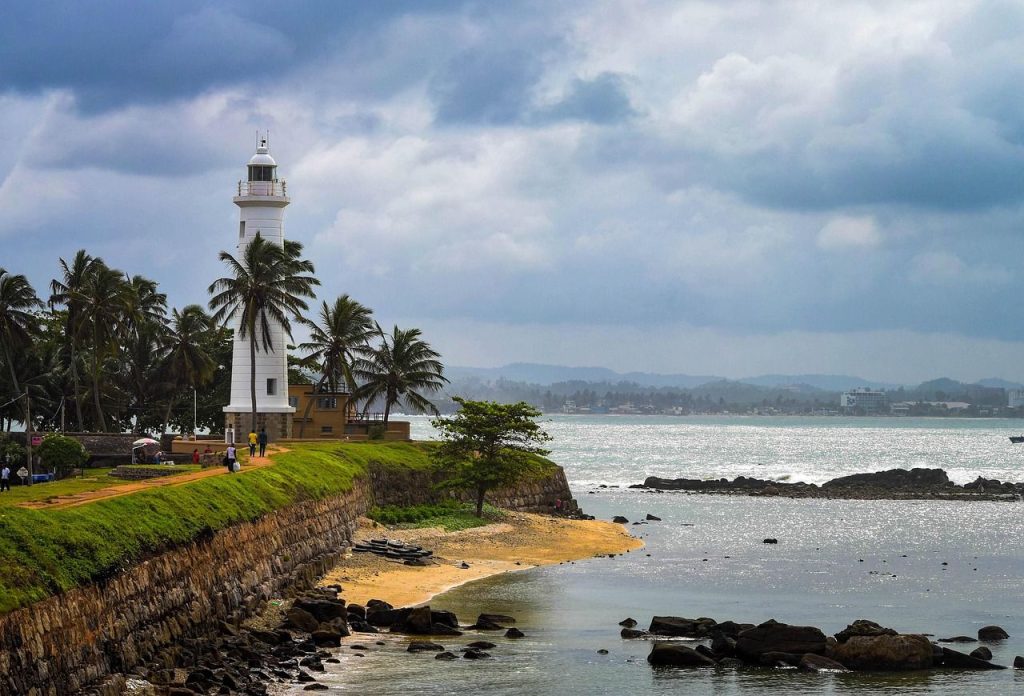
“How much does a month in Sri Lanka cost?” is a fair question, but most single-number answers leave out the conditions that make the number useful. A private room in Galle, an air-conditioned apartment beside a beach and a larger home for two people have different running costs. So do a holiday, a remote-work month and a retirement stay with regular transport or medical needs.
The useful answer is a budget built around your dates, your accommodation and your actual habits. This guide shows what to ask for, what to include and where people commonly underestimate the bill. It does not invent an average rent or pretend that a quoted exchange rate is available at every bank.
Start with a monthly accommodation quote
Ask for a total for your exact dates, not a nightly price multiplied by 30. Confirm the currency and whether the quote covers electricity, water, Wi-Fi, air-conditioning, cleaning, laundry, taxes and service charges. Ask if the rate changes at weekends or across the holiday season.
A property advertising a low monthly price may charge separately for electricity or ask for a deposit. That may be entirely reasonable, but you need the full figure to compare it with a guesthouse that includes those services. If internet is essential, ask about connection type and whether mobile coverage works inside the building. The price of unreliable connectivity includes time lost during work.
For a family or a retired couple, room layout matters as much as cost. Cooking facilities, safe walking access and proximity to everyday services can reduce spending elsewhere. Sometimes a less expensive room creates more transport expense than it saves in rent.
Put the spending into five buckets
The following is a worksheet structure. Enter your own prices from written quotes and actual purchases. Do not treat these rows as published Sri Lanka price averages.
| Budget item | What to include | How to verify |
|---|---|---|
| Housing | Rent, deposit, utilities, cleaning and any air-conditioning supplement | Dated written quotation from the host |
| Food | Groceries, drinking water, meals out and dietary needs | Sample menus, supermarket prices, a trial week |
| Transport | Local journeys, occasional longer transfers and airport pickup | Operator quotes and recent local fares |
| Connectivity and work | SIM or mobile data, broadband, workspace and backup plan | Provider terms and speed tests at the address |
| Health, travel and contingencies | Insurance, routine care, visa-related costs, activities and an emergency reserve | Written policies, official fee schedules, personal needs |
You can keep activities in a separate “optional travel” line if you are staying to volunteer or work. That makes it easier to tell whether a budget overrun comes from everyday costs or from choosing three weekend excursions.
Three budgets that should not be mixed together
A solo traveller using a simple room and public transport will usually have different spending priorities from a remote worker paying for a dedicated workspace and dependable internet. A longer-stay retired couple may spend less on sightseeing but more on convenient transport, insurance or an accessible property.
If you compare advice online, ask which of these situations the writer describes. Does the figure include rent? Was the room shared? Did the traveller stay for a month or calculate a monthly amount from a three-day trip? Did they include insurance, transfers and visa costs? Without those answers, two apparently conflicting estimates may both describe real but very different experiences.
The same applies to location. Galle and nearby beach destinations may have different rental availability, seasonal demand and access to services. In Nuwara Eliya, accommodation needs can differ because of cooler hill-country conditions. Compare actual properties rather than applying one national multiplier.
Exchange rates: use the rate you will pay
Sri Lanka uses the Sri Lankan rupee (LKR). The Central Bank of Sri Lanka publishes indicative reference rates, but your bank or card provider may apply a different selling rate, fees or cash-withdrawal charges. If rent is quoted in another currency, ask what conversion method the host uses.
A simple budget test is to calculate the total in the currency you will pay, then add bank or card fees separately. Keep a small buffer for currency movement. Don’t judge the whole stay on a favourable spot rate from the day you first searched for accommodation.
Carry a practical mix of payment methods after checking your card provider’s rules. Smaller restaurants, some tuk-tuk rides and markets may be easier to pay for in cash. Do not depend on a single card for an entire long stay.
Food: build a routine rather than a fantasy menu
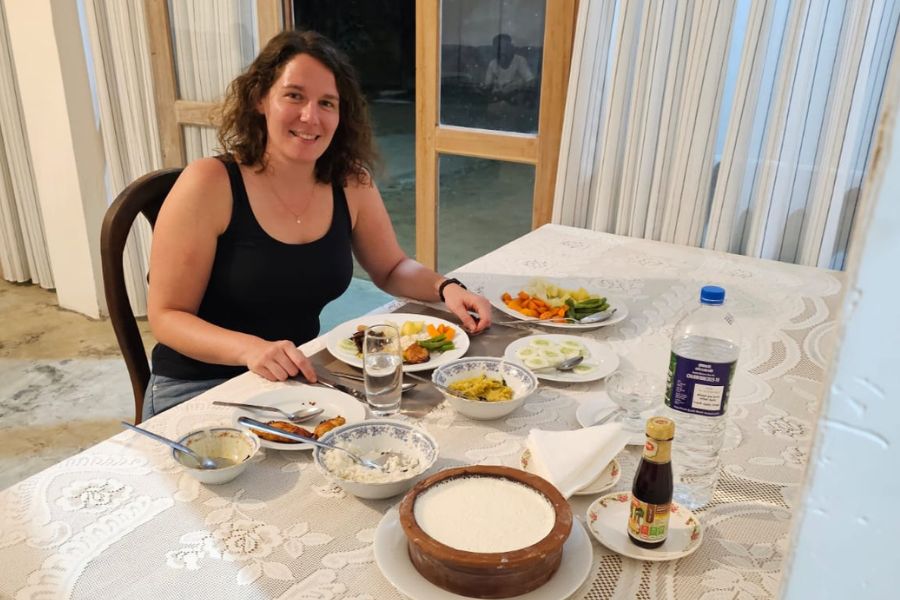
A holiday budget can be built around eating out. A four-week stay needs to accommodate ordinary breakfasts, snacks, drinking water and the days you don’t feel like leaving your room. A kitchen can help, but only if you intend to use it.
Look at nearby grocery shops and restaurants before committing to a property. If you follow a particular diet, check ingredient availability and whether a host can reliably cater for you. If meals are included in a package, ask how many each day, which drinks are covered and what happens on travel days.
For a first visit, use the first week’s receipts to estimate the rest of the month. That will be more accurate for you than a universal “daily food spend” from a travel forum.
Transport: the hidden cost of a cheaper address
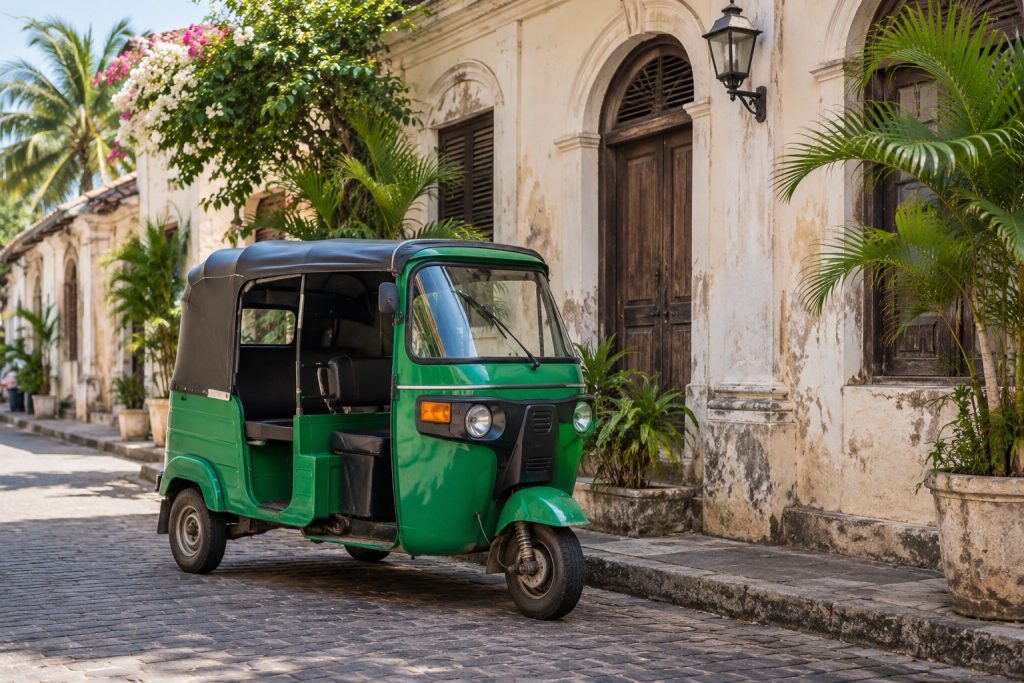
Accommodation ten minutes from the places you visit daily may save money and frustration even if its rent is higher. A property farther inland may require repeated tuk-tuk rides or a vehicle. On the other hand, staying near busy nightlife can have a non-financial cost if you are working or sleeping early.
Ask for airport pickup and longer transfer prices separately. For routine local travel, note how often you expect to go out and whether you are comfortable using buses, trains or walking. Do not assume every journey in the hill country is quick because it looks short on a map.
For occasional touring, compare the total of a private car and driver with the public-transport alternative. Include waiting, luggage and the amount of time you have. The cheapest ticket is not always the best use of a limited weekend.
Internet, utilities and unexpected expenses
Remote workers should budget for a backup connection if missed calls have a cost. Ask whether the monthly rate includes enough data for your work and whether the property uses shared broadband. Add a small allowance for replacement cables, adapters or occasional use of a quiet workspace.
People planning longer stays should think about deposits, repair responsibilities and cleaning charges at departure. Read cancellation policies. An early flight home can be expensive if you have paid several months in advance without a flexible agreement.
Insurance deserves its own line. The premium and exclusions depend on your age, activities, medical history and length of stay. If volunteering is involved, tell the insurer what you will actually do. Work with animals or vulnerable people may not be covered by a standard leisure policy.
An example calculation using your own numbers
Rather than inventing local market rates, use this formula:
Monthly total = housing + food + local transport + data and utilities not included + insurance allocation + visa and administration costs + optional travel + contingency.
If two properties quote different currencies or inclusion sets, convert both to the same currency and add missing items before comparing. Calculate deposits separately because they affect cash needed up front even when refundable. Include a contingency you can afford without using money reserved for your return journey.
The best time to do this exercise is before paying a non-refundable deposit. The next best is after your first week, when actual receipts can correct your assumptions.
Questions to send when asking for a Winter Scape quotation
Give your dates, number of guests, preferred area and whether you want meals, airport transfer or a desk with reliable internet. If accessibility matters, describe the practical requirements. Ask for an itemised rate and payment and cancellation terms.
Winter Scape’s long-stay pathways are separate for remote workers and retirees. That is helpful because the services each person needs can differ. If you also want a volunteer placement or a tour, ask for those charges separately instead of merging them into an impossible-to-check “all inclusive” estimate.
Frequently asked questions
How much money do I need for one month in Sri Lanka?
The amount depends on your accommodation, travel season, party size, work setup and personal spending. Use a dated accommodation quote and the monthly checklist above rather than an unsourced national average.
Is a long stay cheaper than booking nightly?
Some properties offer separate monthly quotations, but discounts and inclusions vary. Ask for both totals for the exact dates and compare deposits, utilities and cancellation terms.
What currency should I budget in?
Record each cost in the currency you will actually pay. Sri Lankan day-to-day spending is commonly in rupees. Check your bank’s applied exchange rate and fees rather than treating a published indicative rate as guaranteed.
Should I include visa costs in the living budget?
Yes. Immigration costs depend on your permission and length of stay. Use the current Department of Immigration guidance and ETA site instead of relying on a dated travel article’s fees.