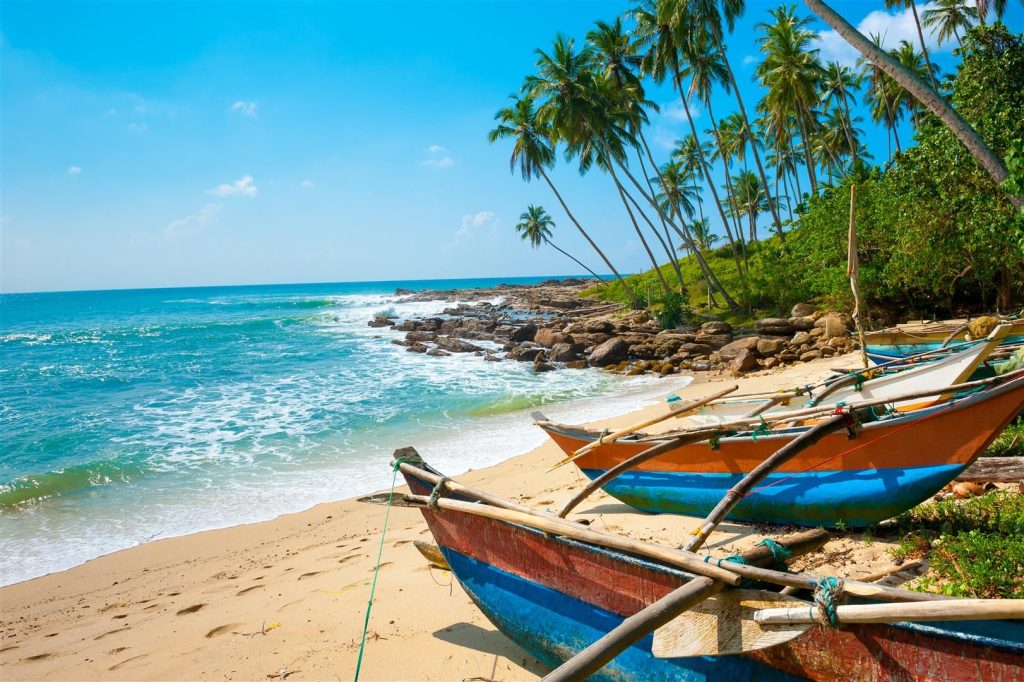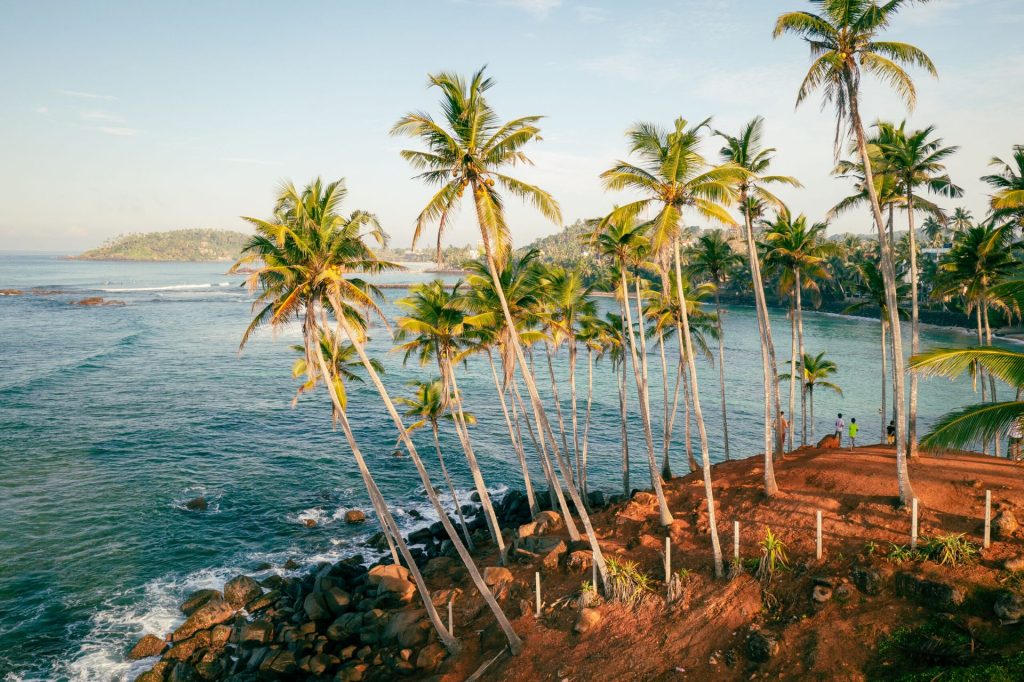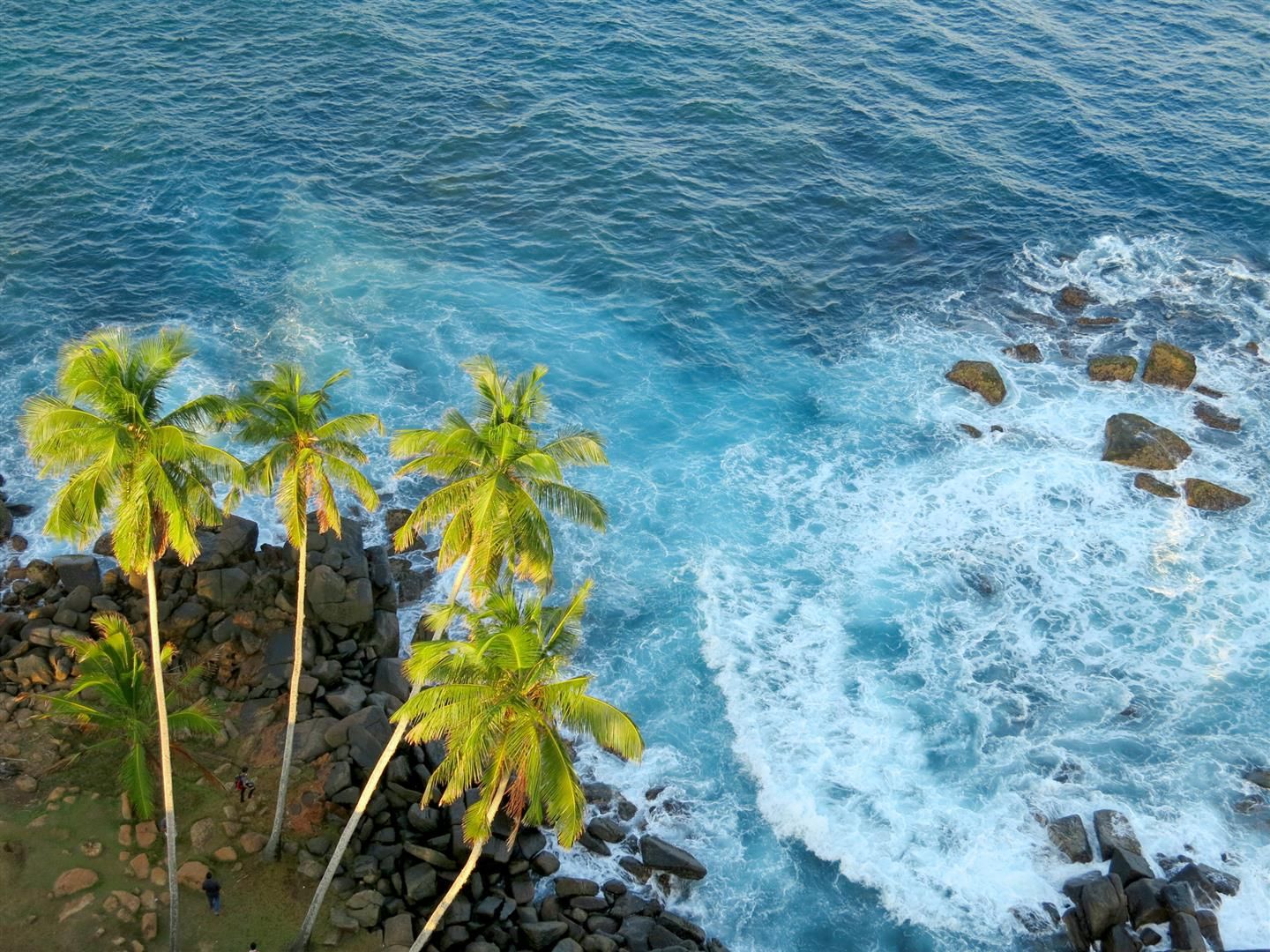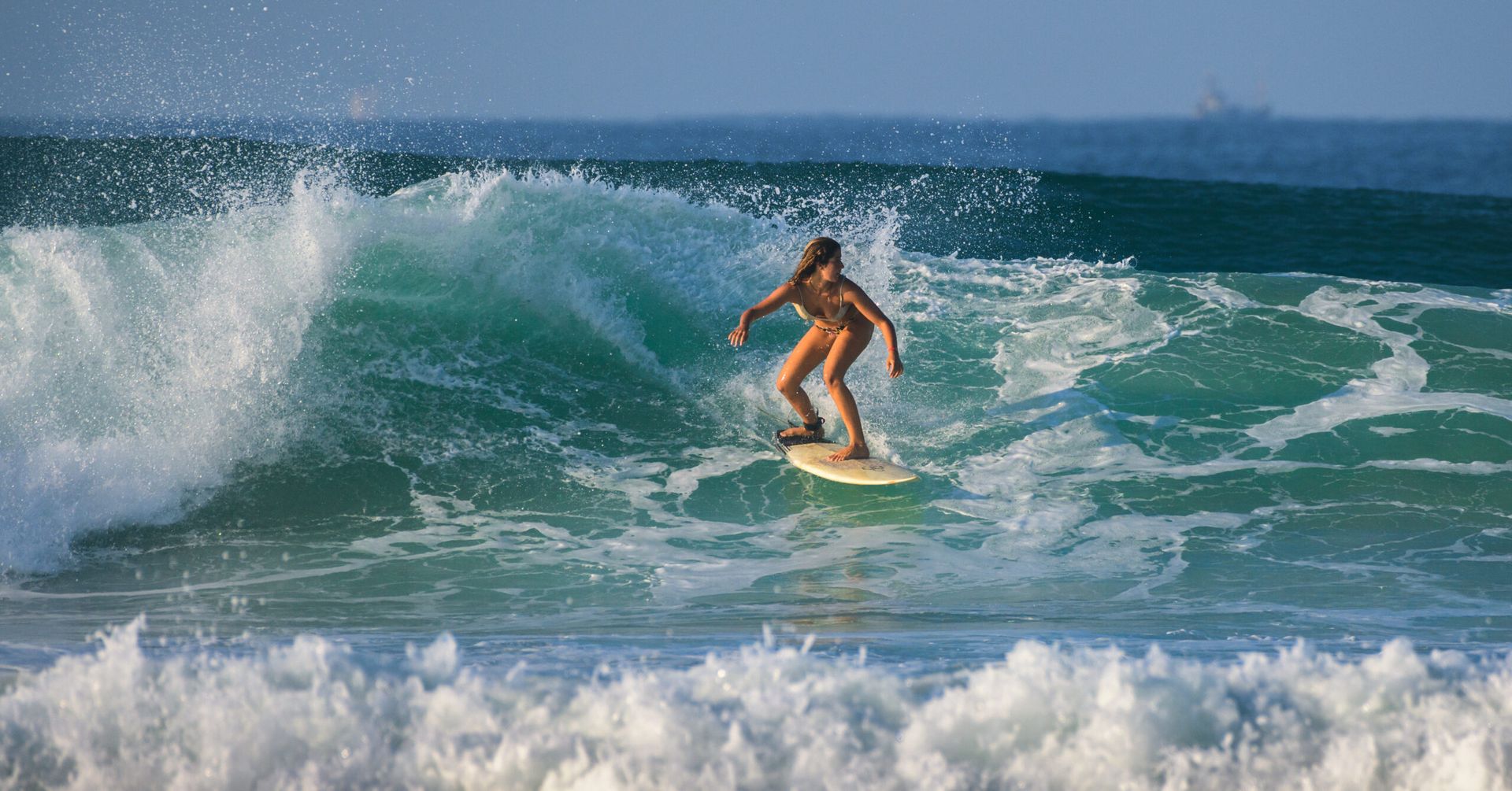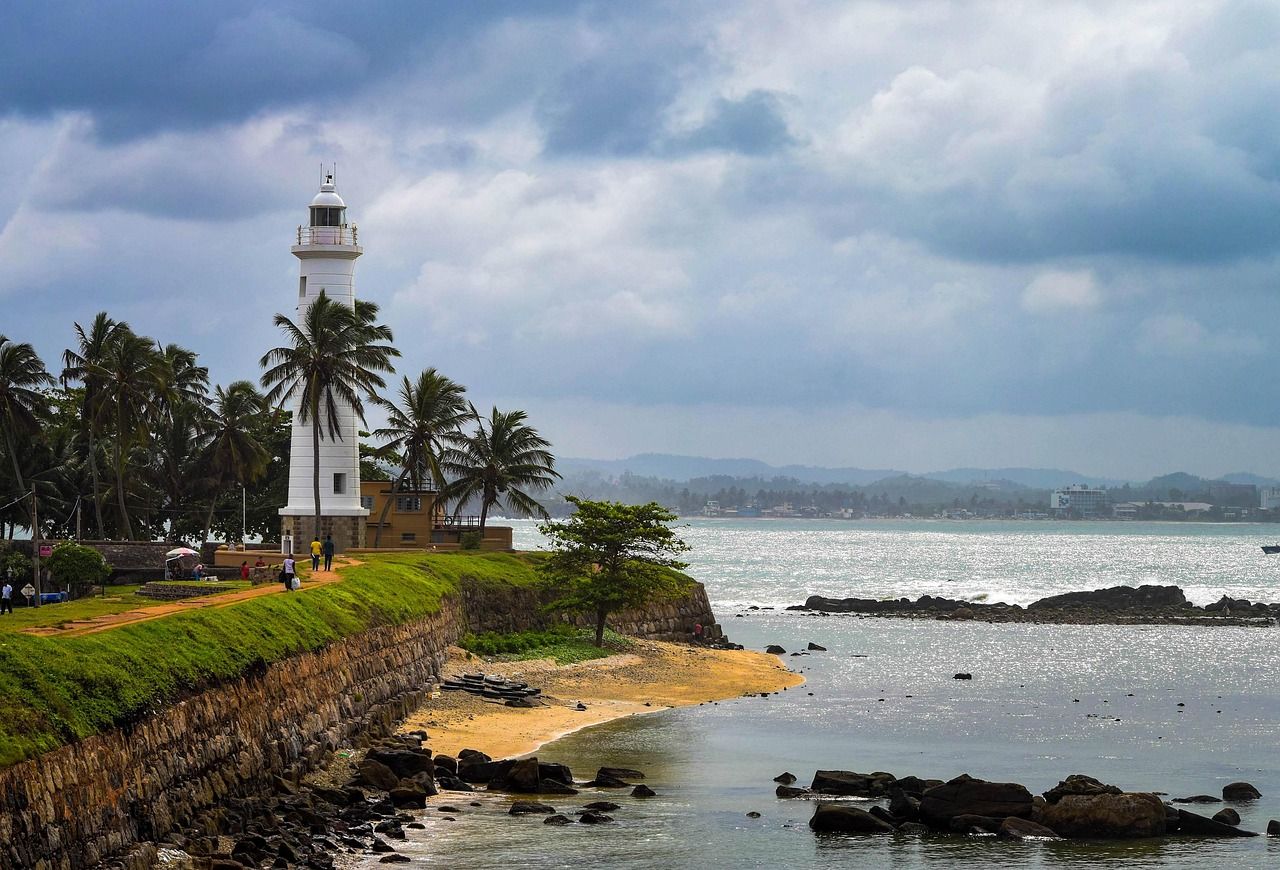
Galle is a south-coast city where the historic fortified old town sits beside a modern working city. The UNESCO-listed fort is the main visitor draw, and Galle is also a practical base for Unawatuna, Hikkaduwa and Winter Scape volunteer programs.
Galle at a glance
- Region: South coast
- Province or area: Southern Province
- Good for: Galle Fort, history, food, coastal day trips, volunteering base
- Suggested stay: 1 to 3 nights
Why visit Galle?
Stay in Galle if you want historic streets and restaurants without giving up easy access to beaches and the wider south coast.
Things to do in Galle
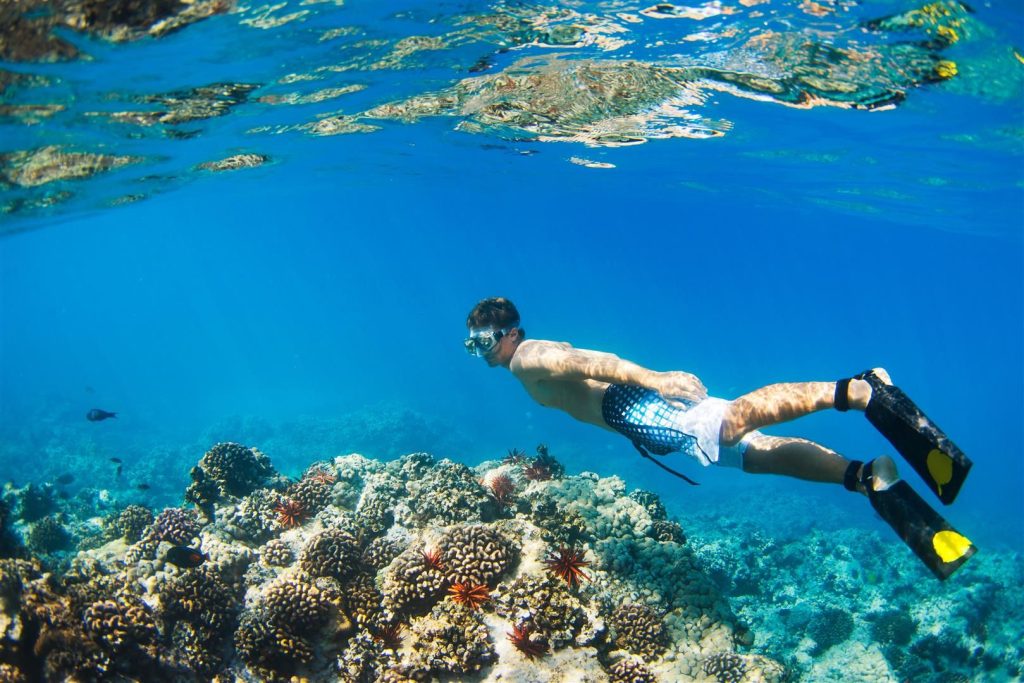
Activities linked in the guide include Snorkeling / Diving.
How long should you stay in Galle?
A useful starting point is 1 to 3 nights. Add more time if you prefer slower travel, want to work remotely or plan several day trips.
Best time to visit Galle
Conditions vary by season. Check current weather and activity-specific advice shortly before travel.
How to get to Galle
Galle is linked to Colombo by road, expressway and coastal rail. Local buses and tuk-tuks connect nearby beach areas.
Getting around
For short local journeys, travellers commonly use tuk-tuks, local buses, walking where practical and private vehicles. National parks and some rural attractions require dedicated transport or authorised safari vehicles.
Nearby destinations
Unawatuna, Hikkaduwa, Mirissa can be combined with Galle in a wider route. Do not judge the transfer only by distance. Road type, mountain terrain and traffic can make short-looking journeys take longer than expected.
Frequently asked questions
What is Galle best known for?
Stay in Galle if you want historic streets and restaurants without giving up easy access to beaches and the wider south coast.
How many nights should I stay in Galle?
For most itineraries, 1 to 3 nights is a sensible starting point.
Can I visit Galle year-round?
Yes, but conditions vary by season and activity.
What should I book before arriving?
Book limited-capacity items first, such as reserved trains, licensed safari vehicles, guided activities or accommodation during major holidays.
Continue planning
Use the related sections below for attractions, things to do, nearby destinations, tours and Winter Scape services connected with Galle.
Planning Galle without rushing it
A useful Galle itinerary starts with the same question as the rest of Sri Lanka: what do you want the place to do for the route? For most visitors here, the answer is Galle Fort, history, food, coastal day trips, volunteering base.
A sensible starting point is 1 to 3 nights. That is not a rule. It is a way to protect the trip from the common mistake of treating every destination as a one-night stop. Check-out, luggage, traffic and waiting for transport all consume time that rarely appears on a sightseeing list.
If you have fewer days, cut a stop rather than compressing every stop. If you have more time, keep the same core plan and add a slow morning, a local meal, a nearby walk or a second activity instead of adding another distant town.
What kind of traveller suits Galle?
Galle makes the most sense for travellers interested in Galle Fort, history, food, coastal day trips, volunteering base. That does not mean every visitor needs to do everything associated with the destination. A family, solo traveller, volunteer and remote worker can use the same place very differently.
Families usually benefit from shorter transfers and fewer fixed activities per day. Solo travellers often have more flexibility with public transport but may prefer simpler arrival plans after dark. Remote workers should check the internet quality of the exact property, not only the reputation of the town.
A practical daily rhythm
In hot or exposed places, use the first part of the day for outdoor sightseeing and keep the middle of the day lighter. In the hill country, earlier starts can improve the chance of clear views before cloud builds. On the coast, sea conditions matter more than the clock, so use local advice for swimming, diving and boat trips.
Do not build every day around sunrise. A route that requires a 5:00 AM start four days in a row usually looks better on paper than it feels in practice.
What to book before you arrive
Prioritise anything with genuinely limited capacity. That can include reserved train seats, a licensed safari vehicle, diving with a small operator, a guide for a specialist hike or accommodation during a major festival.
Restaurants, local tuk-tuks and ordinary sightseeing usually do not need the same level of advance planning. Keeping some parts open makes it easier to respond to weather.
What not to over-plan
Do not schedule every meal, every tuk-tuk and every short walk before arrival. Sri Lanka rewards a little flexibility because rain, traffic and local suggestions can change the best order of the day.
The related attraction list for Galle includes the attractions linked from this page. Activities include Snorkeling Diving. Use those relationships to build a compact cluster rather than treating the guide as a checklist.
Combining Galle with nearby places
The closest route relationships in this guide include Unawatuna, Hikkaduwa, Mirissa. Nearby on a map does not always mean quick in practice, so check the road or rail transfer before pairing two places in one day.
A good regional route usually moves in one direction. Repeatedly returning to the same hub adds cost and road time without adding much to the trip.
Food, cash and everyday logistics
Keep some Sri Lankan rupees for small restaurants, markets, tuk-tuks and local buses. Cards are common at larger businesses but should not be your only payment method.
If you have dietary requirements, explain them clearly rather than assuming every menu uses the same definitions. In smaller places, ordering earlier can help if a kitchen has limited ingredients.
Laundry, pharmacy access and supermarkets matter more on longer stays. For volunteers and remote workers, those practical details often affect comfort more than whether a hotel has a rooftop view.
Weather backup plan
Build at least one indoor, flexible or low-commitment option into a multi-day stay. Rain does not make the whole destination unusable, but it can change hikes, boat trips and viewpoints.
If weather is the only reason an activity becomes unsafe, accept the cancellation. Moving the booking is better than pressuring an operator to run in poor conditions.
Responsible travel notes
Use official paths at protected sites, keep distance from wildlife and follow local rules on dress and photography. At religious places, local worship takes priority over sightseeing.
Where a community experience is involved, choose operators that explain how residents participate and benefit. Avoid experiences that turn people into props for photographs.
Before you leave Galle
Check the next transfer the evening before. Confirm the pickup point, departure time and whether you need cash. If you are moving into the hills or a national-park region, download maps and booking details in case mobile coverage becomes weaker.
That small amount of preparation is usually more useful than adding one final attraction to an already full morning.